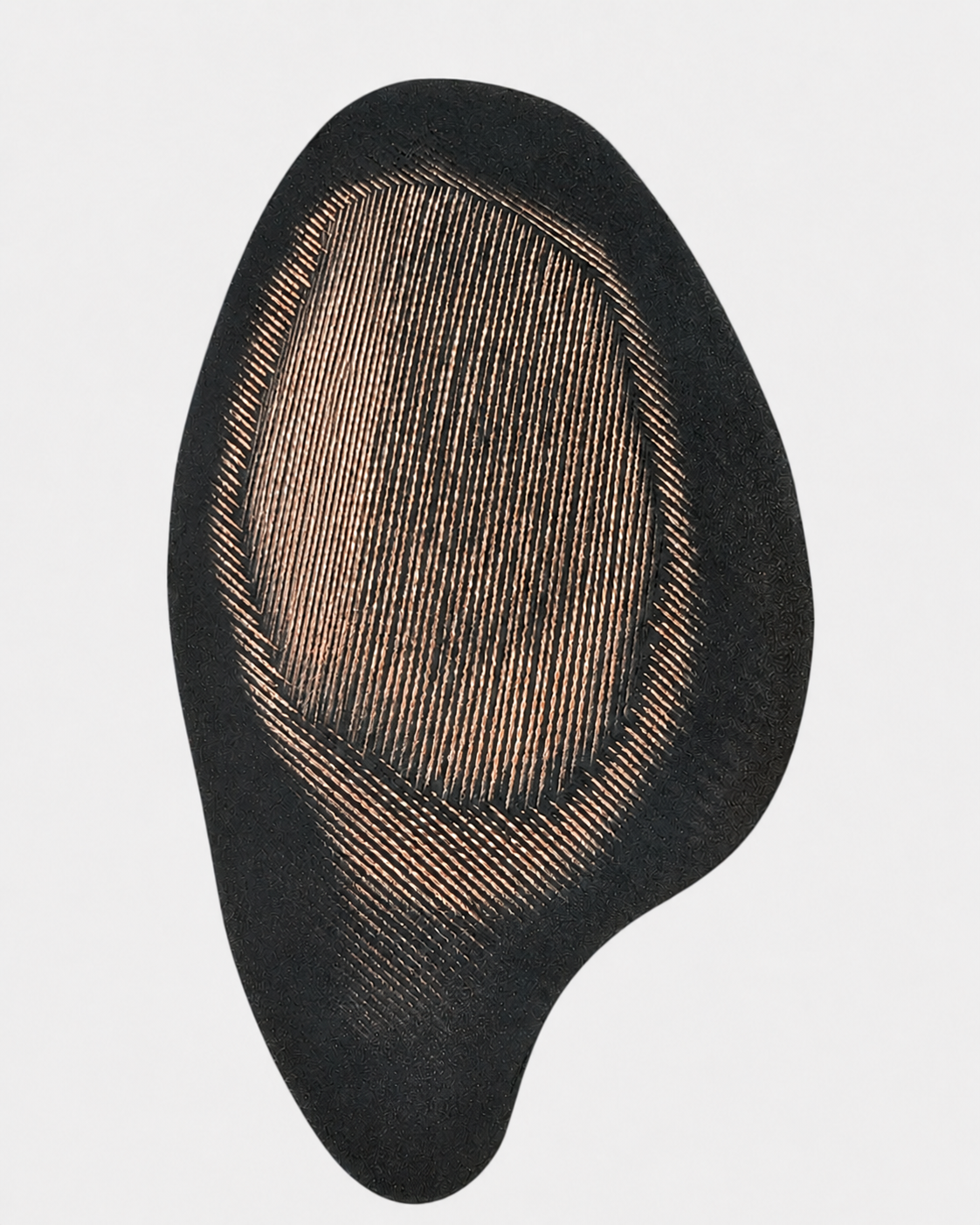
RAToM rubber is made from 100% recycled racing slicks used in professional motorsport. Due to its composition and structure, it is one of the most technically demanding materials to resole. Many of our workshop partners consider it the "ultimate test" of their craft. Precision and patience are essential, but no additional tools or resoling methods are required.
Side Identification
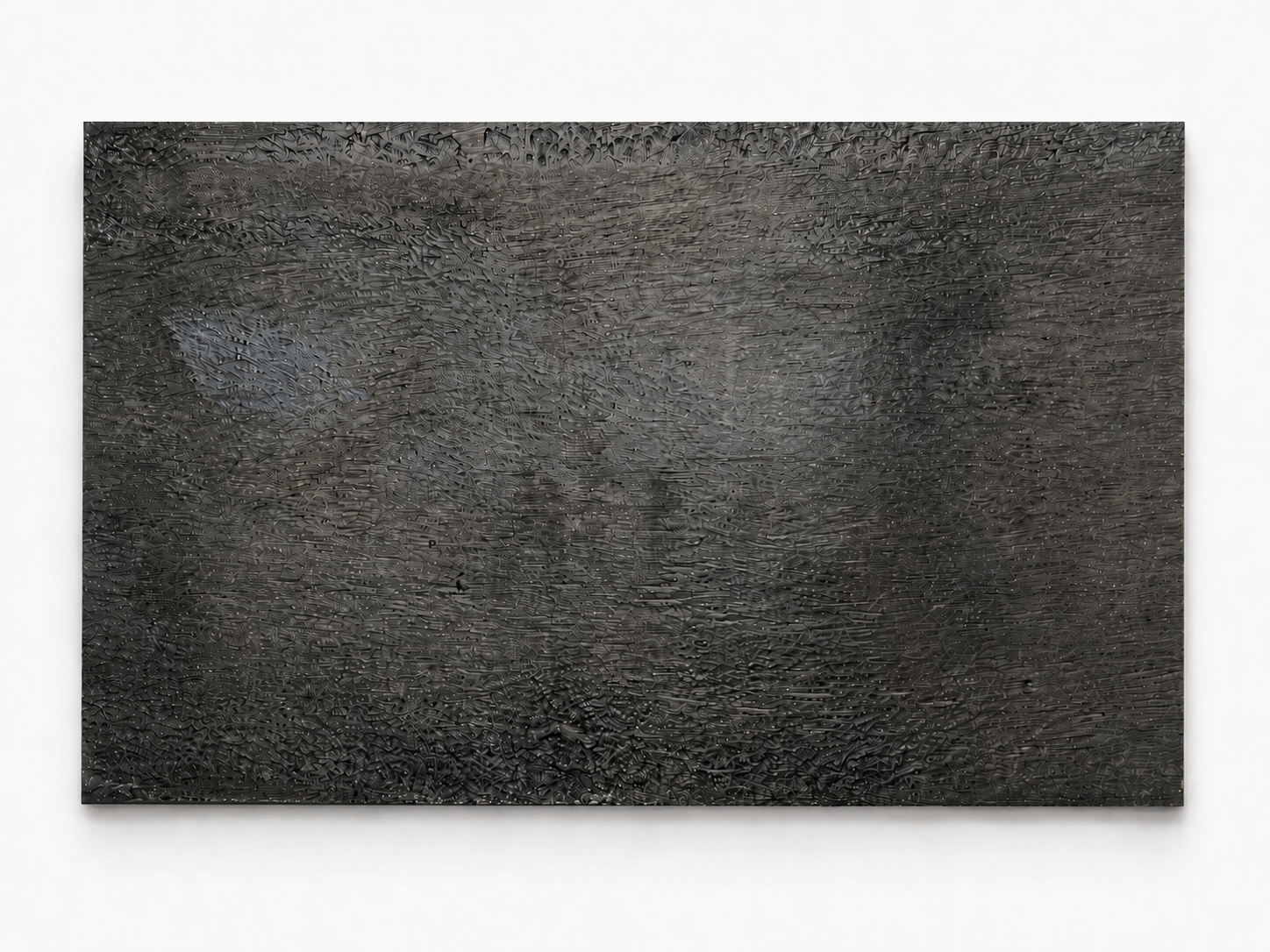
Front side: factory-sanded surface, contact side (climbing surface)
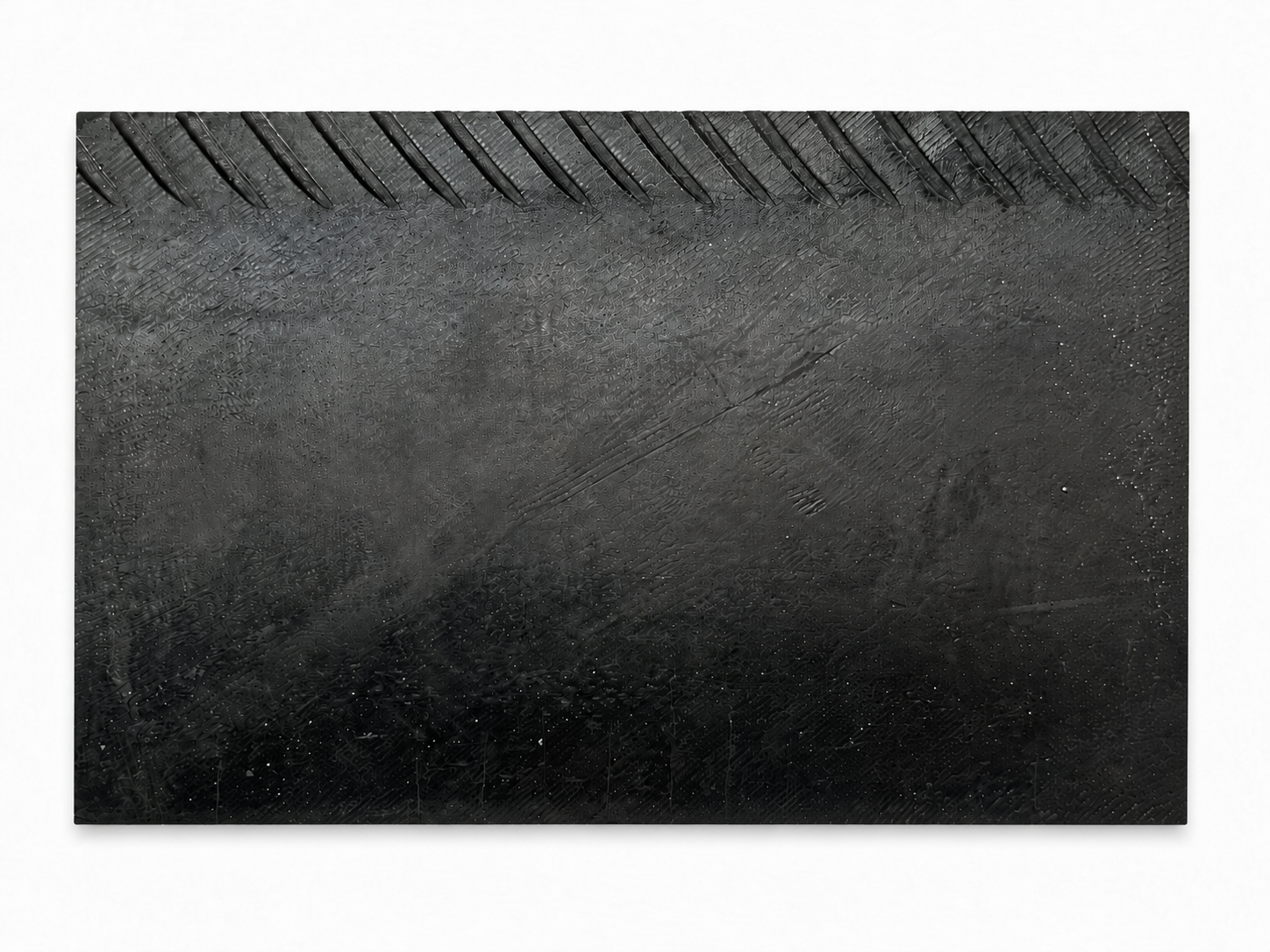
Backside: requires sanding before application and is glued to the shoe. Racing tire marks may still be visible and are intentionally left to protect the mesh wire layers during delivery.
Front side — factory-sandedBackside — racing slick marks may be visible
Internal Structure
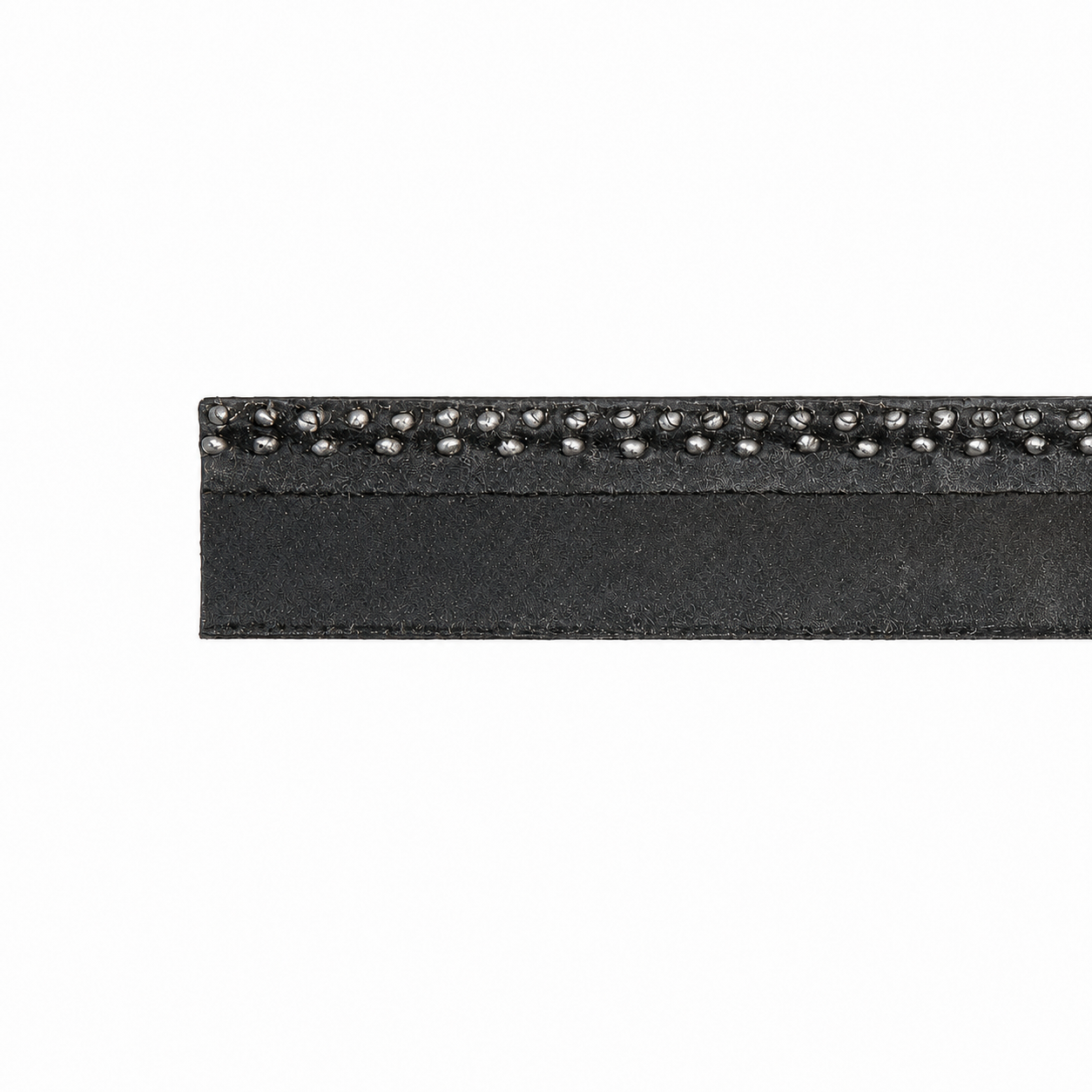
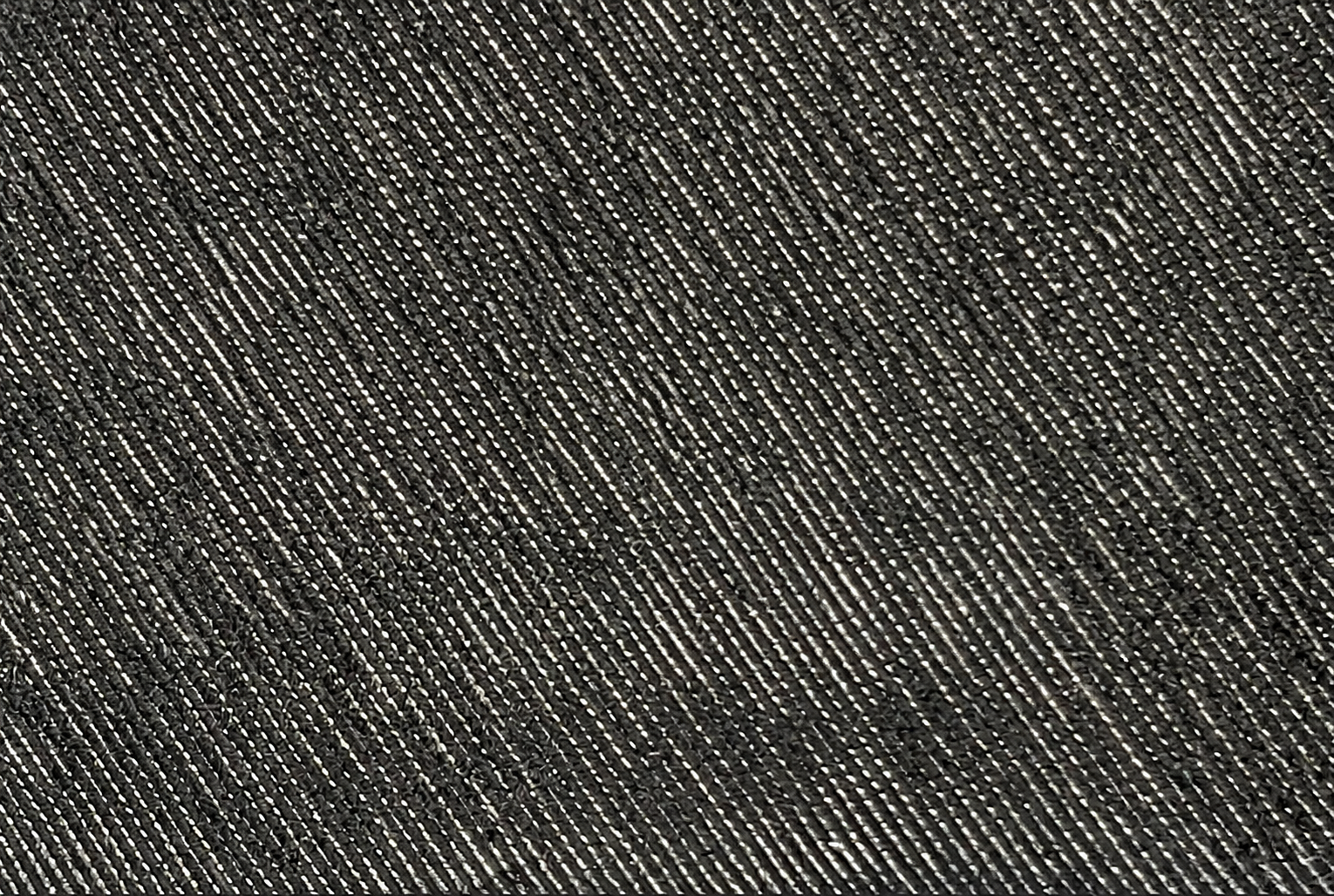
RAToM rubber contains two embedded mesh wire layers. These layers are intentional and performance-critical, something unique to RAToM. They provide added rigidity and stiffness.
Back / Glue sideMesh wire layersFront / Climbing side
Backside Sanding Depth
Default and recommended practice: both mesh wire layers should remain intact. Sand only until the first mesh wire layer becomes clearly visible. This ensures proper stiffness and rigidness of the rubber.
Note:
Grinding away both mesh wire layers will make the rubber soft and reduce the rigidness and stiffness
Climbers can visually identify when resoling is needed by exposed mesh wires starting to show
Glue: use standard glues like Renia Colle de Cologne. Clean with acetone before gluing.
For best results: After gluing the sole, let it cure for a minimum of 48 hours
Rand Area
In the rand contact zone only: Mesh wire layers may be removed for clean finishing
Finishing
After curing, you can grind the front side (contact side) until it matches the shoe's rubber/sole thickness
Important: Using a non-woven abrasive pad (such as Scotch-Brite) at roughly 240 grit, sand the contact side of the rubber and remove all residue. Any rubber residue left on the surface will transfer as black marks onto climbing holds.
For any questions: contact us at info@ratom.eu, or from our dedicated WhatsApp channel for partner workshops.